
CUSTOMER / A GLOBAL HOME FURNISHINGS RETAILER
How a global retailer freed its research team—and built a customer intelligence engine
With 200,000 employees and more than 500 digital products under constant development, this home furnishings company built a dedicated research operations team to remove the bureaucratic obstacles standing between researchers and their work—and gave them Dovetail as the platform to make it count.

150–200
researchers and designers across global hubs in a single platform
500+
internal products and digital touchpoints covered by the research program
250+
person Experience Design organization spanning research hubs across Europe, North America, and Asia
The best never guess
Discover how Dovetail can help your team turn customer feedback into decisions.
A home furnishings giant with 500+ digital products
Most people know this company through its stores—cavernous warehouse spaces, flat-pack boxes, assembly instructions that have become a household rite of passage. What happens inside those stores is just the beginning.
With more than 200,000 employees across dozens of countries, this is one of the world's largest companies by revenue. Behind the showrooms lies a sprawling digital enterprise: e-commerce, food, solar energy, financial services, B2B, and a resale marketplace for second-hand goods. Every one of these businesses runs on digital interfaces—websites, apps, kiosks, and more than 500 internal tools keeping stores and warehouses running worldwide.
Overseeing all of it is a 250-person Experience Design department spanning hubs in Europe, North America, and Asia. Roughly 25–30 dedicated researchers and up to 150 designers cover every touchpoint—the app, online store, kiosks, accessibility, and coworker tools. Keeping all that research moving falls to a small research operations team at the center of it all.

The challenge: when researchers spend 60% of their time on admin, not research
Scale brings complexity—but for this company's research community, it brought something more specific: researchers spending more time fighting internal systems than doing research.
Before a single interview could be uploaded, a researcher might need to clear procurement, align with data privacy, secure consent templates from legal, and justify the tool to multiple departments at once. In an organization of this scale, none of that moved quickly.
“We hire researchers to do research—not to negotiate with tool providers, or fight with data privacy about NDAs, or with legal about consent forms. The reality in a company our size is that researchers end up using maybe 60% of their time actually trying to do their job, while they only work maybe 40% on the job we hired them for.”
— Head of Research Operations
The findings themselves faced a different problem. Completed reports would get filed away—visible to the team that ran the study, invisible to everyone else. Product managers, engineers, and designers were making decisions without knowing what customers were actually saying.
The response was structural. Rather than asking researchers to keep fighting the system, the company created a dedicated research operations function—a small team whose entire job was to absorb the overhead and clear the path. Dovetail was the platform they chose to anchor it.
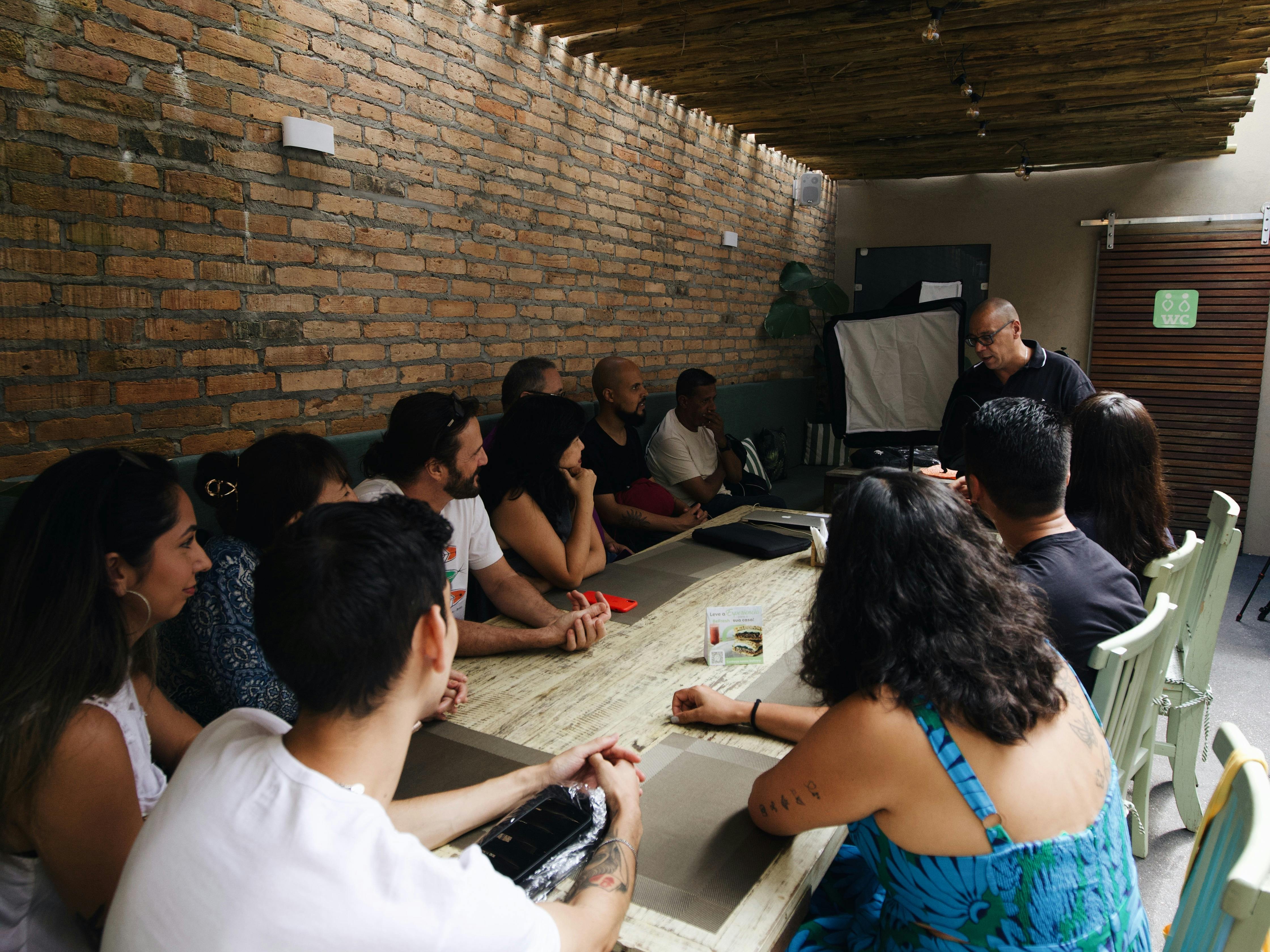
The solution: a shared analysis platform for a 150–200-person research community
Dovetail came in first for a focused team of 30 design researchers. The workflow it enables quickly became central to how the whole community works.
Researchers upload video interviews—from checkout usability sessions to studies of warehouse coworkers managing inventory. AI Analysis handles transcription while researchers move through recordings, tagging key moments: observations, pain points, verbatim quotes worth preserving. Tags cluster into patterns; patterns become findings—a shared, searchable body of evidence no longer scattered across hard drives.
The breadth reflects the company's ambition. The online store and mobile app are the primary focus, but research now spans 500+ internal coworker tools, accessibility, financial services, and emerging technologies like augmented reality. A dedicated strategy team uses the same platform to look further ahead.
“Every digital interface you can imagine that we operate is kind of influenced by what we learn from customers. From the kiosks in our stores to the tools people use in the warehouse—all of it is in scope.”
— Head of Research Operations
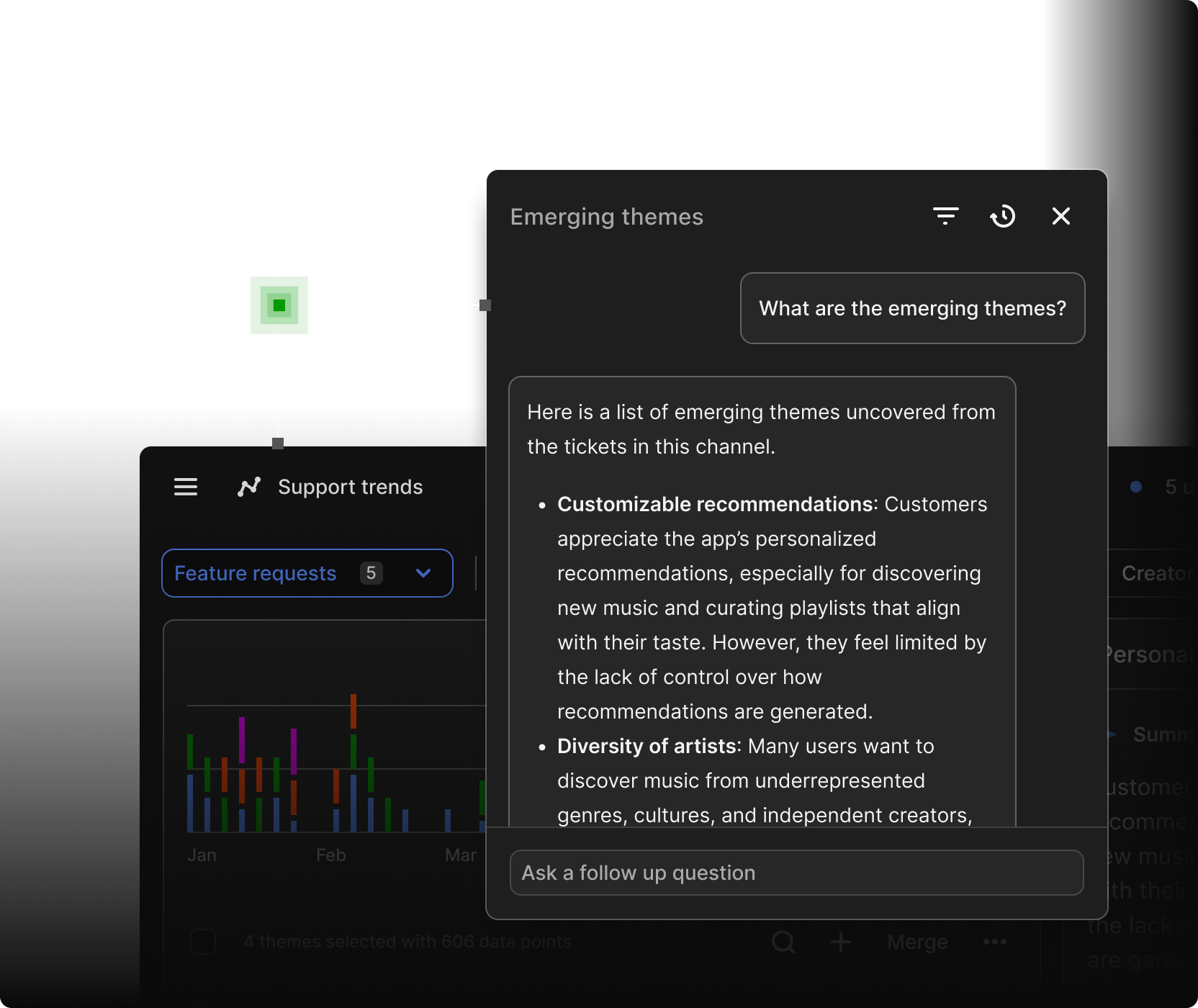
The payoff: organic adoption across a 250-person Experience Design organization
The growth was organic. Researchers who used Dovetail told colleagues. Adjacent design teams heard about it and asked for access. People from outside the core research organization started asking to join—all drawn toward a shared place to store and surface what customers actually say.
Today, Dovetail is the customer intelligence infrastructure for a 250-person Experience Design organization. Researcher insights reach product managers, engineers, and leaders rather than disappearing into a dark drawer. Across hundreds of product teams, decisions are better grounded in what customers think and need.
That's what the research operations function was built to do—and Dovetail is the platform that makes it possible.

The best [] never guess
Discover how Dovetail can help your team turn customer feedback into decisions.



FAQs
Yes. One of our customers runs a 250-person Experience Design organization on Dovetail, with 150–200 researchers and designers spanning hubs in Europe, North America, and Asia working from a single shared platform.
For one of our customers, researchers were spending roughly 60% of their time navigating procurement, data privacy, and legal requirements, and only 40% on research itself. The company built a dedicated research operations function and anchored it on Dovetail to absorb that overhead so researchers could focus on the work they were hired to do.
Dovetail’s AI Analysis handles transcription while researchers tag key moments, like observations, pain points, and verbatim quotes, directly in the recording. Those tags cluster into patterns, and patterns become shared, searchable findings instead of reports scattered across individual hard drives.
Yes. Research at one of our customers spans 500-plus internal tools and touchpoints on Dovetail, from its online store and mobile app to in-store kiosks, warehouse coworker tools, accessibility, financial services, and emerging areas like augmented reality.
Findings in Dovetail are shared and searchable by default, so they don’t stay locked to the team that ran the study. For one of our customers, that visibility drove organic adoption: researchers told colleagues, adjacent design teams asked for access, and people outside the core research group started asking to join, until insights were reaching product managers, engineers, and leaders instead of sitting unused.