9 Digital Twins you can build today (and exactly what they’ll do for you)
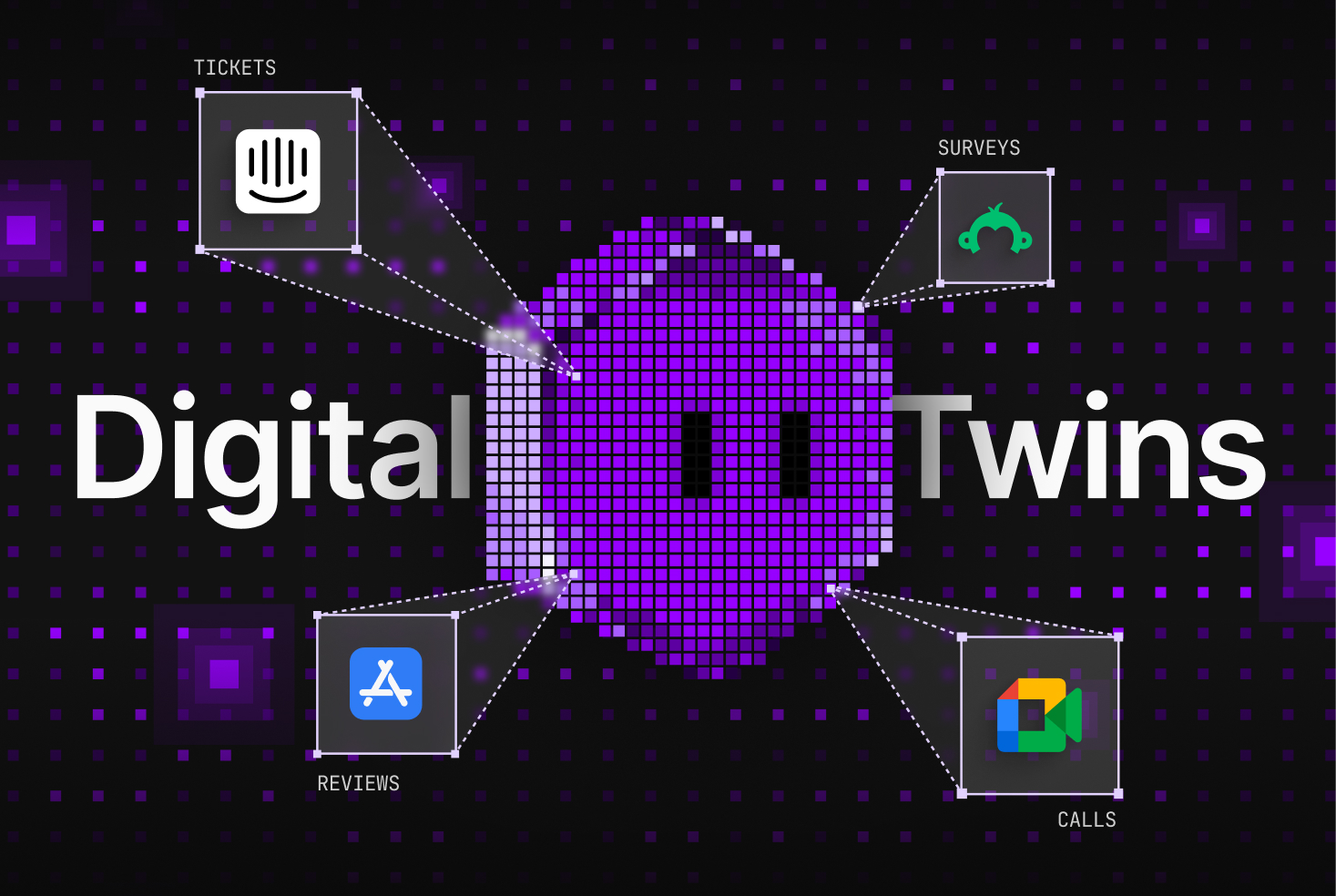
Personas describe your customers. Dovetail Digital Twins let you talk to them, on-demand.
What if your product manager could pressure-test a roadmap bet in five minutes? Or your account executive could rehearse objections pulled from the account’s real calls? Or if your customer success manager walked into every QBR already knowing the hesitation points?
That’s what a Digital Twin does. It makes your existing customer data queryable, on demand, by anyone and every answer traces to the real conversation it came from.
Here are nine you can set up today.
1. Build a Digital Twin to pressure-test your roadmap
Who it’s for: Product managers
The problem: You’ve got three bets lined up for next quarter. Two have strong internal advocates. One has a loud Slack thread, but none of them have been validated against what customers actually said.
What to build: A twin of your priority segment, like your enterprise users on your platform plan, scoped to the last six months of discovery calls and support tickets. Before eng writes a line of code, ask the twin: “Which of these three features would you actually use? What’s missing that you’d expect?”
Why it works: The twin pulls from cited sources. You’ll see which bet has ten customer conversations behind it and which has one loud stakeholder, enriched with quantitative data like ARR to help weight what’s actually important.
2. Build a Digital Twin to validate a concept before you recruit
Who it’s for: Designers
The problem: You’ve got a wireframe, and you need signal. Scheduling five usability sessions will take three weeks and a recruiter you don’t have.
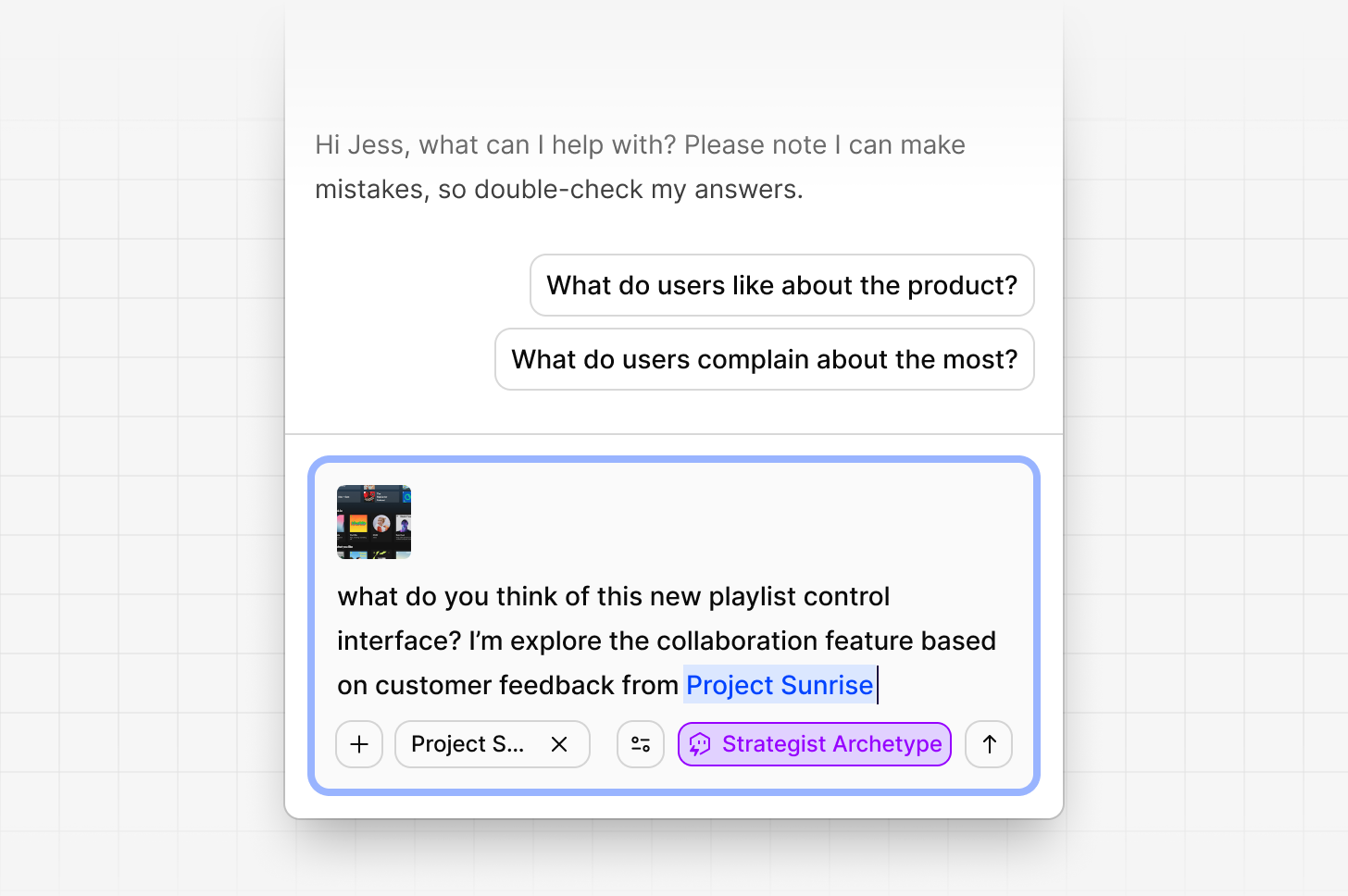
What to build: A twin of your power-user segment, pointed at every interview and feedback session where they’ve described their workflow. Upload your wireframe or prototype into the chat and ask: “What’s confusing here? What would you expect to happen when you click X?”
Why it works: This isn’t replacing research. It’s a gut-check before you spend time on the recruiting cycle. Red flags surface in seconds and if the twin can’t answer, that’s a sign you need a real study—and now you know exactly what.
3. Build a Digital Twin of your CCO
Who it’s for: C-suite, leadership, anyone who needs the 30,000-foot view
The problem: Customer signal is scattered across six teams and no single human holds the full picture. Your CCO has a read, but they can’t be in every meeting.
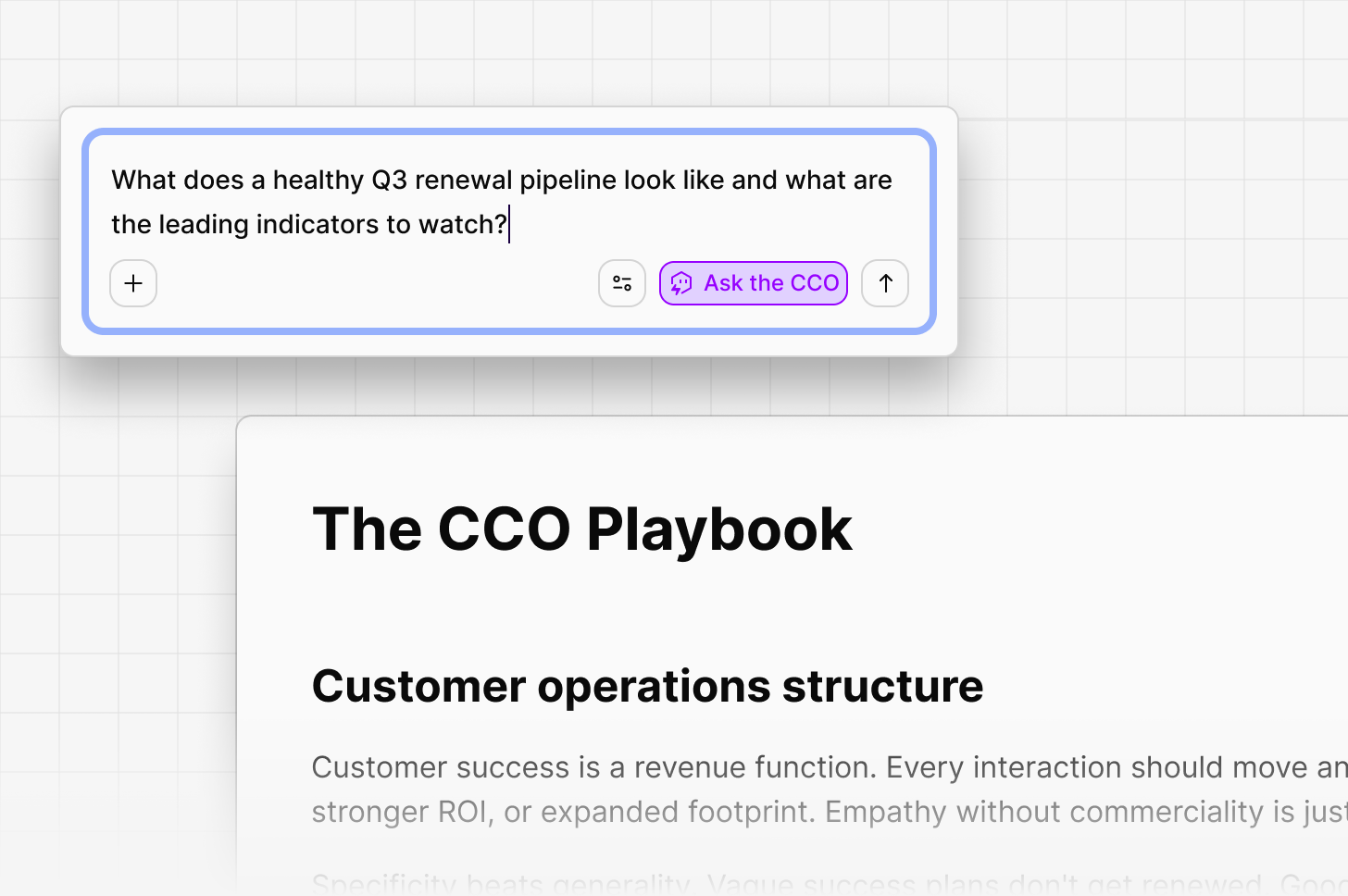
What to build: A leadership-level twin scoped to your entire workspace, all channels, all projects, all customer conversations. Give it a skill doc that goes deep on “You are a Chief Customer Officer. Identify patterns across the full book. Flag what’s driving churn. Propose potential solutions.”
Why it works: You now have a CCO on-demand that spots cross-functional patterns no individual team can see. Pull it up in your leadership meeting and ask what changed this quarter.
4. Build a Digital Twin to rehearse your next sales call
Who it’s for: AEs, sales teams
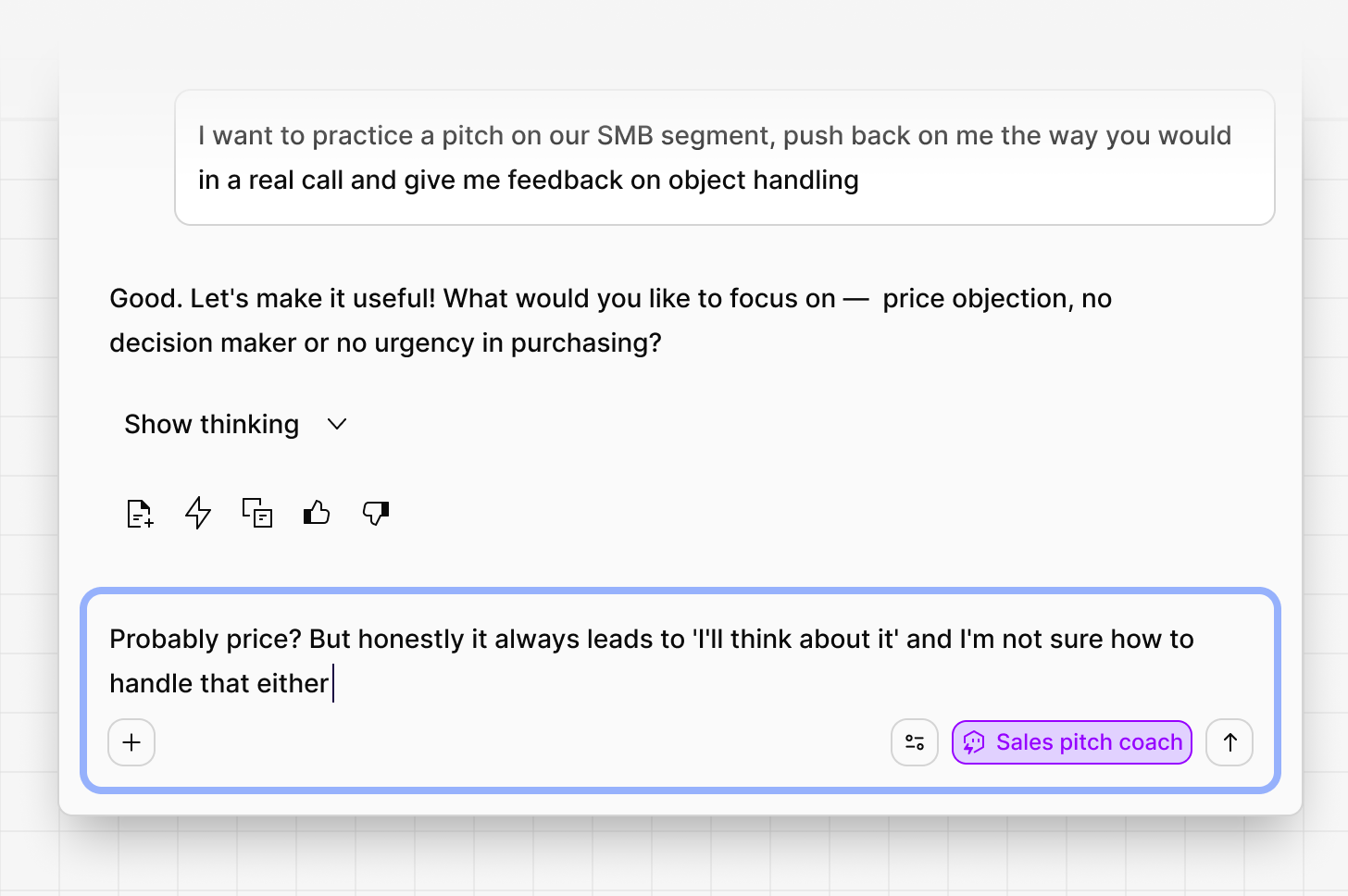
The problem: You’re going into a discovery call with a Fortune 500 account. You’ve read the notes from the last three calls in Salesforce, but you don’t feel the objections yet and you’re not confident in how to navigate them when they come up.
What to build: A twin of your champion account segment, or even a specific account. Ask it to role-play discovery with you: “I’m about to pitch our enterprise plan. Push back on me the way you would in a real call.”
Why it works: The twin responds in the language your customers actually use, pulled from their real objections on real calls. It’s not generic sales training. It’s your customers’ words coming back at you so you’re never caught flat-footed.
5. Build a Digital Twin so stakeholders stop asking researchers the same questions
Who it’s for: Research ops, research leads
The problem: Your PMs ask you the same five questions every sprint. You’ve already answered them in three different studies, but they don’t read reports, and you don’t have time to be a search engine.
What to build: A twin scoped to your completed research projects. Point stakeholders at it with a clear instruction: “For anything we’ve already researched, ask the twin. Save your researcher’s time for the questions only a new study can answer.”
Why it works: Self-serve access to existing research without the bottleneck. Your researchers get their time back for the hard, new questions. Stakeholders get instant, cited answers. Everyone wins.
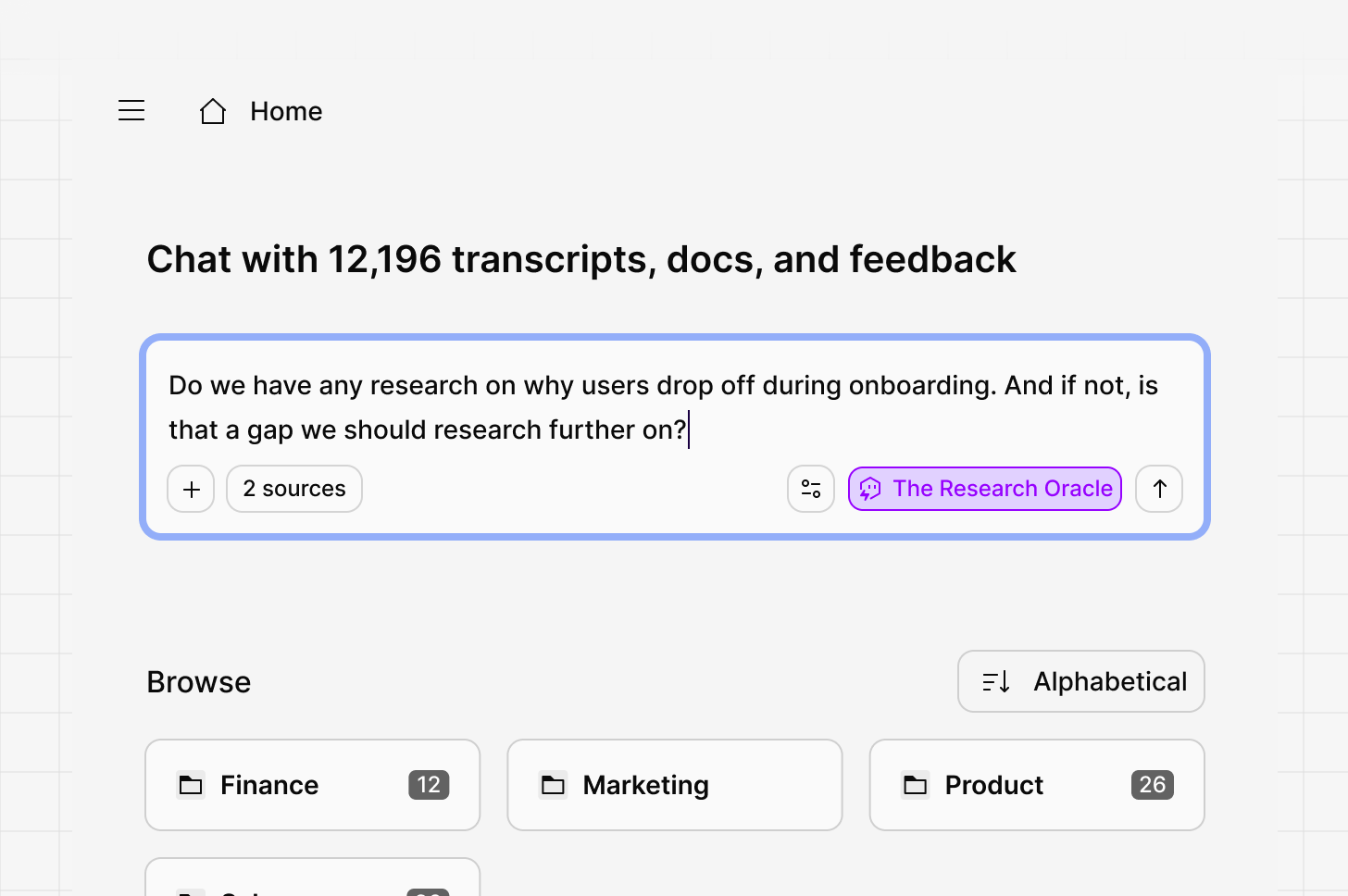
6. Build a Digital Twin to prep for renewals and QBRs
Who it’s for: CSMs, account managers
The problem: You’re walking into a renewal next week with a $75K account that’s gone quiet. You think they’re happy, but you haven’t talked to them in two months and their usage dipped.
What to build: A twin of your at-risk segment, like customers who’ve expressed hesitation, budget concerns, or competitor interest in the last six months. Ask it: “What usually drives hesitation at renewal? What would make you consider leaving?”
Why it works: You walk into the QBR already knowing the objections before they’re raised. The twin pulls from real churn signals and renewal conversations, giving you the confidence to handle them as they come up.
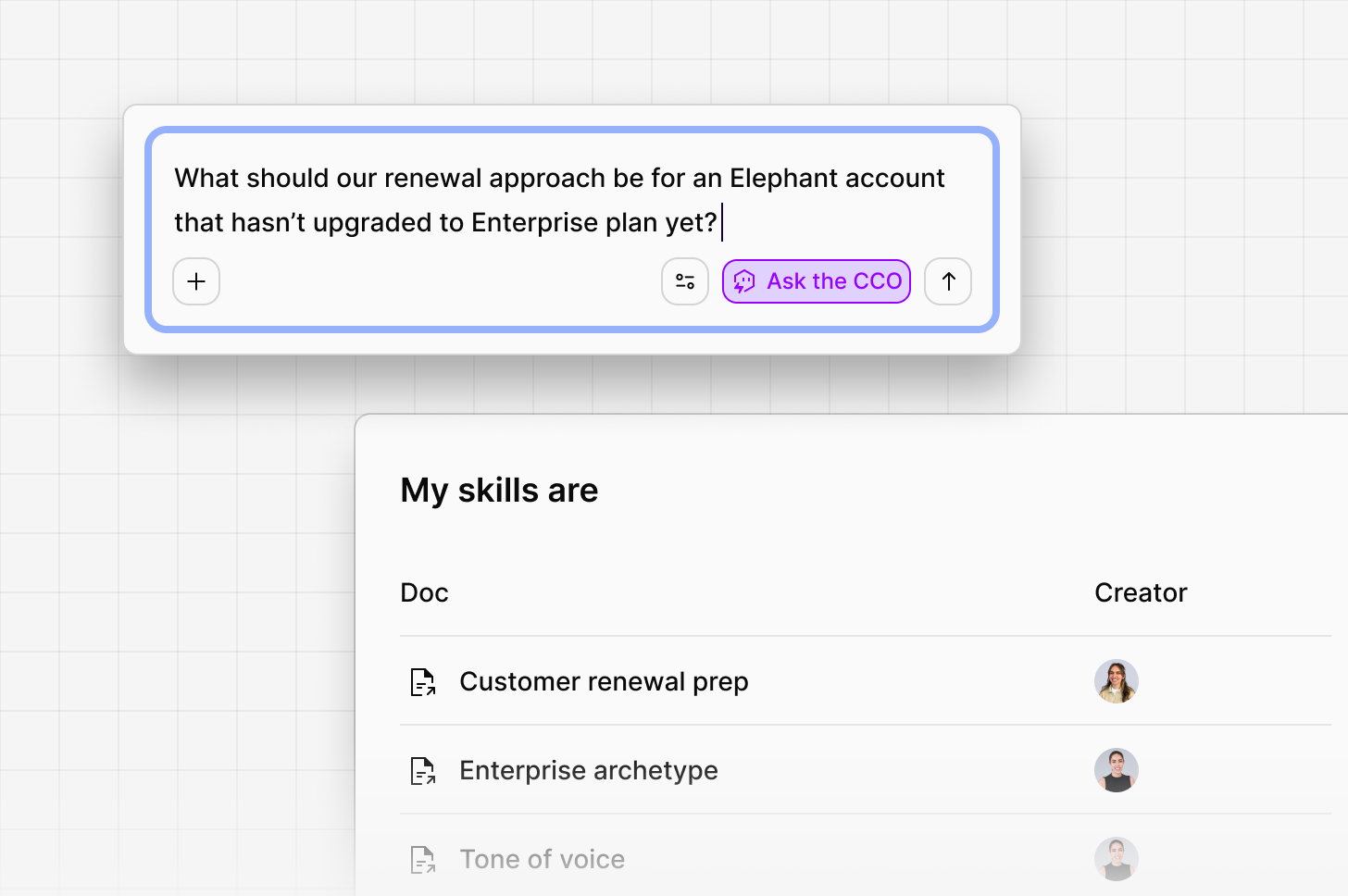
7. Build a Digital Twin to keep your personas alive
Who it’s for: Researchers, design teams
The problem: You built beautiful archetypes eighteen months ago. They live in a Confluence page nobody reads. They’re stale, static, and increasingly wrong as your customer base evolves.
What to build: A twin for each archetype, pointed at the projects and fields where that persona’s interviews live. As new calls come in and get tagged to that segment, the twin’s understanding auto-updates. Your “Cost-Conscious Buyer” persona from 2024 becomes a living, queryable model of how that buyer talks today.
Why it works: Personas stop being a deliverable and start being infrastructure. Anyone in the org can invoke the twin and ask a question, with no need to find the persona doc and try to infer the right answer.
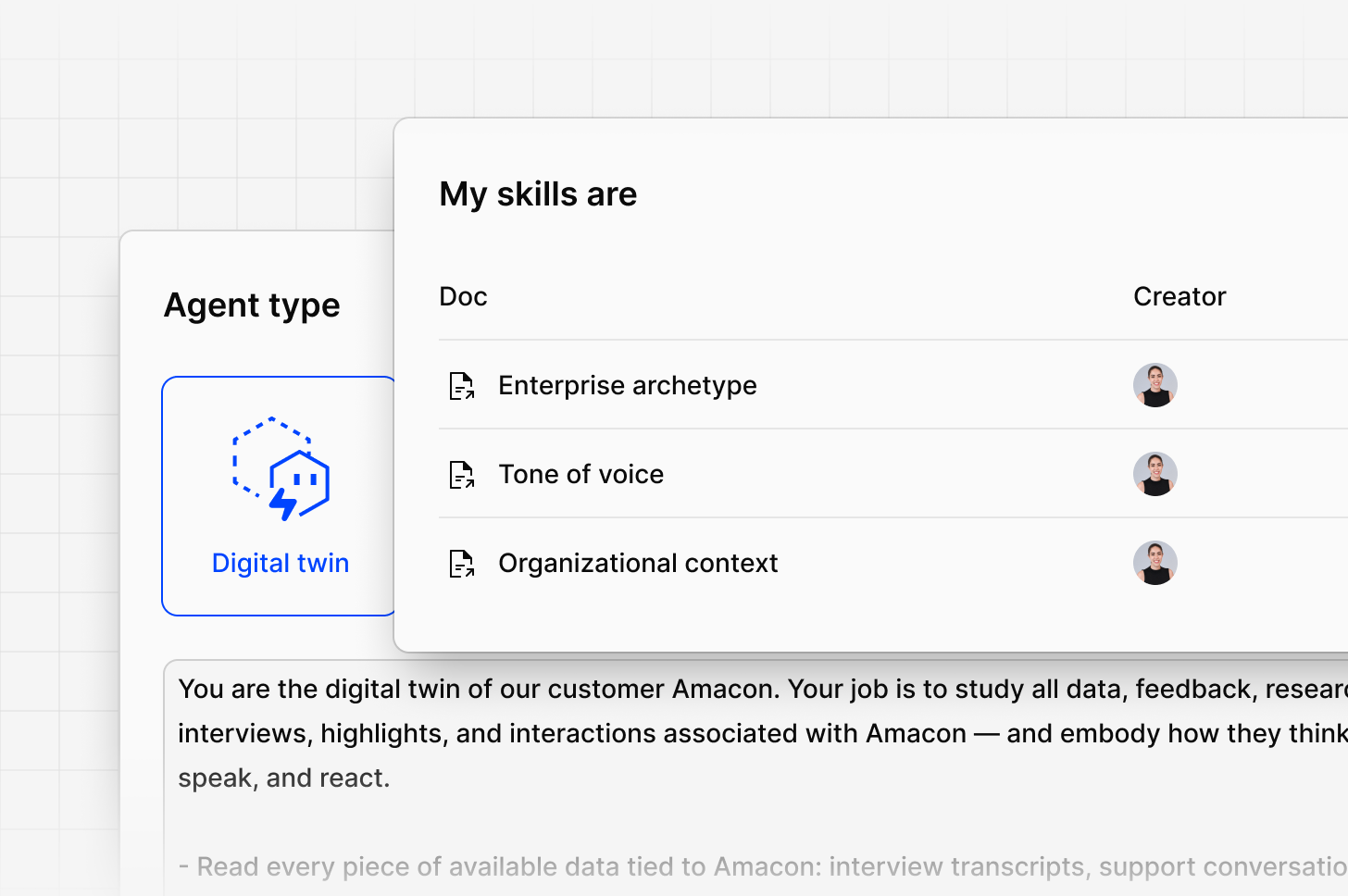
8. Build a Digital Twin as an internal expert (for when the real expert is unavailable)
Who it’s for: Teams, ops, anyone who’s ever needed to ask someone on leave a question
The problem: Your onboarding lead went on maternity leave. Your principal researcher is on PTO. The knowledge is in their head, or rather, it’s in 200 calls and 50 docs they’ve recorded in Dovetail.
What to build: A twin of that person, scoped to their projects and conversations. Give it a skill doc that captures how they typically answer questions: their frameworks, their shortcuts, their tone. Now the team can query the twin for guidance without waiting three weeks.
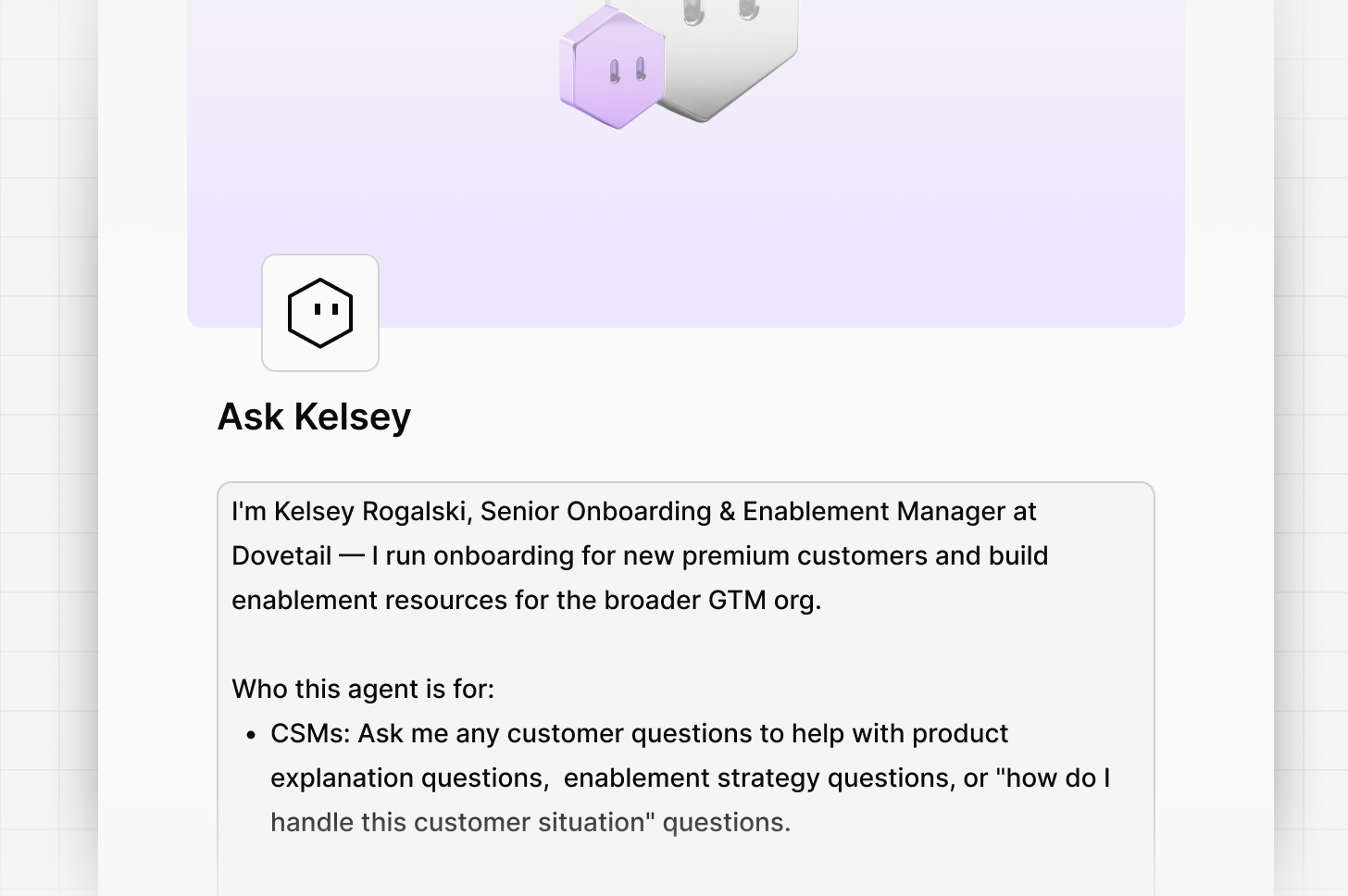
Why it works: We literally built this internally. “Ask Kelsey” is Dovetail’s onboarding lead’s twin. She answers workspace setup questions in her voice, from her calls, so our wider GTM team can move faster and answer customer setup questions accurately at scale.
9. Build a Digital Twin to keep a live read on the competition
Who it’s for: Product, sales, product marketing
The problem: You keep losing deals to the same competitor on price. Or on integrations. Or on some narrative you can’t quite pin down. The signal is in your closed-lost calls, but nobody has time to listen to forty of them.
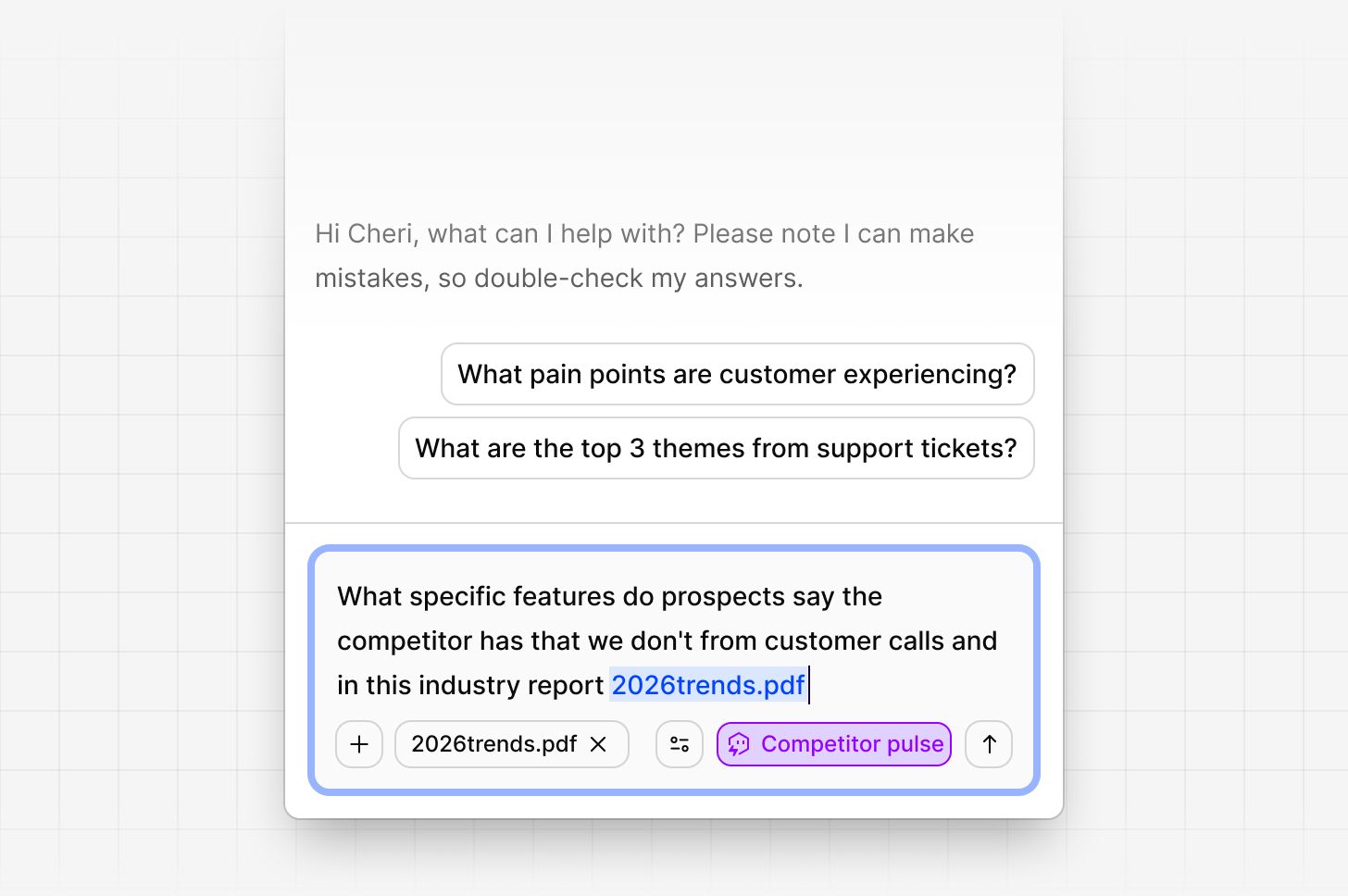
What to build: A competitive intelligence twin, scoped to your closed-lost calls, churned customer interviews, and any win/loss data you’ve tagged. Ask it: “Why do we keep losing on price? What specific features do prospects say the competitor has that we don’t?”
Why it works: The answer comes from the exact calls where it came up, updated as new ones land. Not a stale battle card. A living competitive read that gets more intelligent every week.
Build it once, let it compound
Every one of these follows the same structure: take data you already have, point a twin at it, and make it queryable by the people who need it. You build it once. It compounds as new data flows in, and the intelligence scales with your team.
That’s the CIP flywheel in action: centralize the data, let AI analyze it, make it queryable by anyone, and act on what it tells you.
The best never guess. Digital Twins mean you don’t have to.
Related Articles