Unreasonable experiences: why great products are no longer enough
There's a restaurant story that changed how I think about product. It starts with a three-dollar hot dog—and ends with a lesson the software industry is only now being forced to learn.
Will Guidara, co-owner of what became the world's best restaurant, overheard a table of tourists mention they were disappointed they hadn't managed to try a New York City street hot dog during their trip. The kitchen was mid-service. They were finishing one of the most celebrated tasting menus in the world. Guidara slipped out, found a street cart, bought hot dogs, and had the team serve them as an unexpected final course.
The food was a three-dollar hot dog. The experience was unforgettable.
Guidara's book, Unreasonable Hospitality, makes a case that the hospitality industry has always understood and the technology industry is only now being forced to confront: the product is not the experience. The experience is the experience. And when products reach parity, the experience becomes the only real differentiator left.
What tech forgot that restaurants always knew
Restaurants have never had the luxury of separating product from service. The food lands in a context of how you were greeted, whether your server remembered your preference, how the room made you feel, and what happened when something went wrong. Diners don't evaluate the meal in isolation. They evaluate the whole thing.
Software companies spent decades acting as though the product existed in a vacuum. Build something that works, make it intuitive, ship it. Everything around it—onboarding, support, renewal, the sales conversation that set expectations in the first place—got treated as a separate operational concern.
That separation is expensive. Customers don't experience your product in isolation either. They experience the promise your marketing made, the call with your sales team, the onboarding that may or may not have delivered on what was sold, and the support interaction when something broke. A product that works brilliantly inside a frustrating customer relationship will lose to a merely good product that makes customers feel genuinely looked after.
Unreasonable hospitality, in Guidara's framing, means going beyond what is expected or even rational—reading what a person actually needs in a moment and delivering it before they ask. For software companies, that means understanding the full arc of the customer relationship well enough to find those moments and act on them.
The moment of brilliance problem
Before I read Guidara's book, I spent time at Breville, where product design operates around a different but related principle. Every product is designed around a single moment of brilliance: one carefully chosen peak experience that the entire product is built to make extraordinary.
For a toaster, Breville identified that moment as the anxious mid-toast pause: is it done yet? Their answer was lift and look—a lever that lets you peek without canceling the cycle. Nobody asked for it. Everyone who uses it wonders how they lived without it. For a coffee machine, the moment lives in the dial. The satisfying resistance, the deliberate click as it locks into place. It does nothing a button couldn't do, but it makes every morning feel considered.
The principle sounds simple. The hard part is knowing where the moment is.
For physical products, you can observe it. You watch people use the product, see where their face changes, note where they slow down and pay attention. The signal is visible.
For software companies, the moment of brilliance is rarely on the screen. It's in the customer's experience of the relationship. It might be the first time a customer gets a faster answer because of your platform. It might be the moment a team realizes they're all working from the same understanding for the first time. It might be a support interaction that made someone feel like the company genuinely had their back.
You can't engineer those moments if you can't see where they are. And you can't see where they are if your customer signal is fragmented across five tools and a spreadsheet nobody reads.
The scope problem sitting inside most research functions
UX research was scoped to the product surface. Usability, flows, feature validation, the experience inside the screen. That scope made sense when the screen was where the experience lived.
The experience no longer lives inside the screen. It spans the sales call where expectations were set, the onboarding session where they were either met or quietly abandoned, the support tickets that reveal where the product falls short of its promise, and the renewal conversation where the customer decides whether the whole thing was worth it.
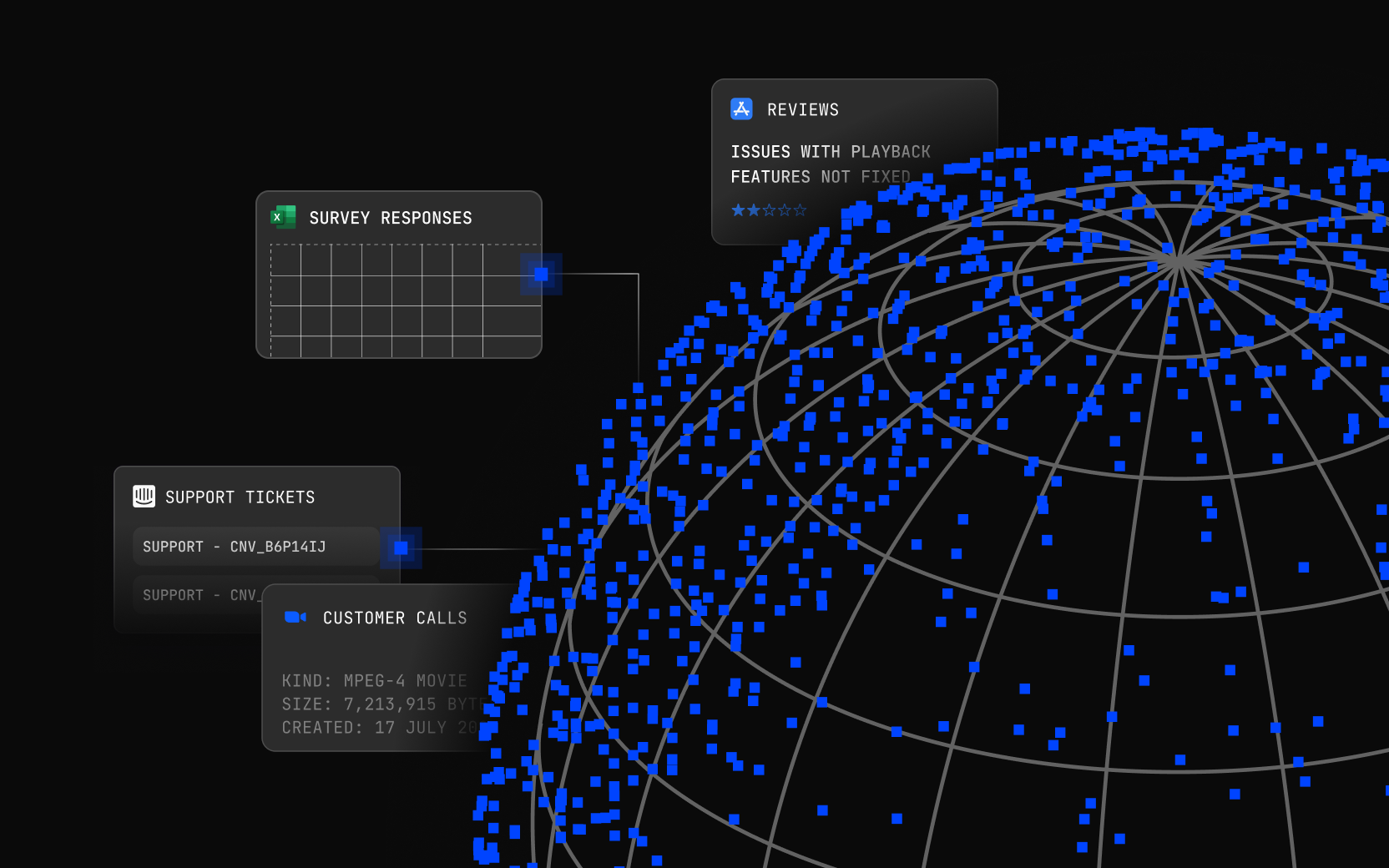
The signal from every one of those touchpoints exists. It just belongs to no one and lives everywhere. Interview transcripts in one platform, support tickets in another, sales call recordings somewhere the research team has never accessed, NPS scores in a dashboard that only two people know how to read. The data is there. The understanding is not.
A researcher scoped to usability sessions is looking at one frame of a much longer film and drawing conclusions about the plot. The insights are real inside that frame. They're just insufficient for understanding what's actually driving the customer's experience of your company.
Centralizing the signal isn't optional
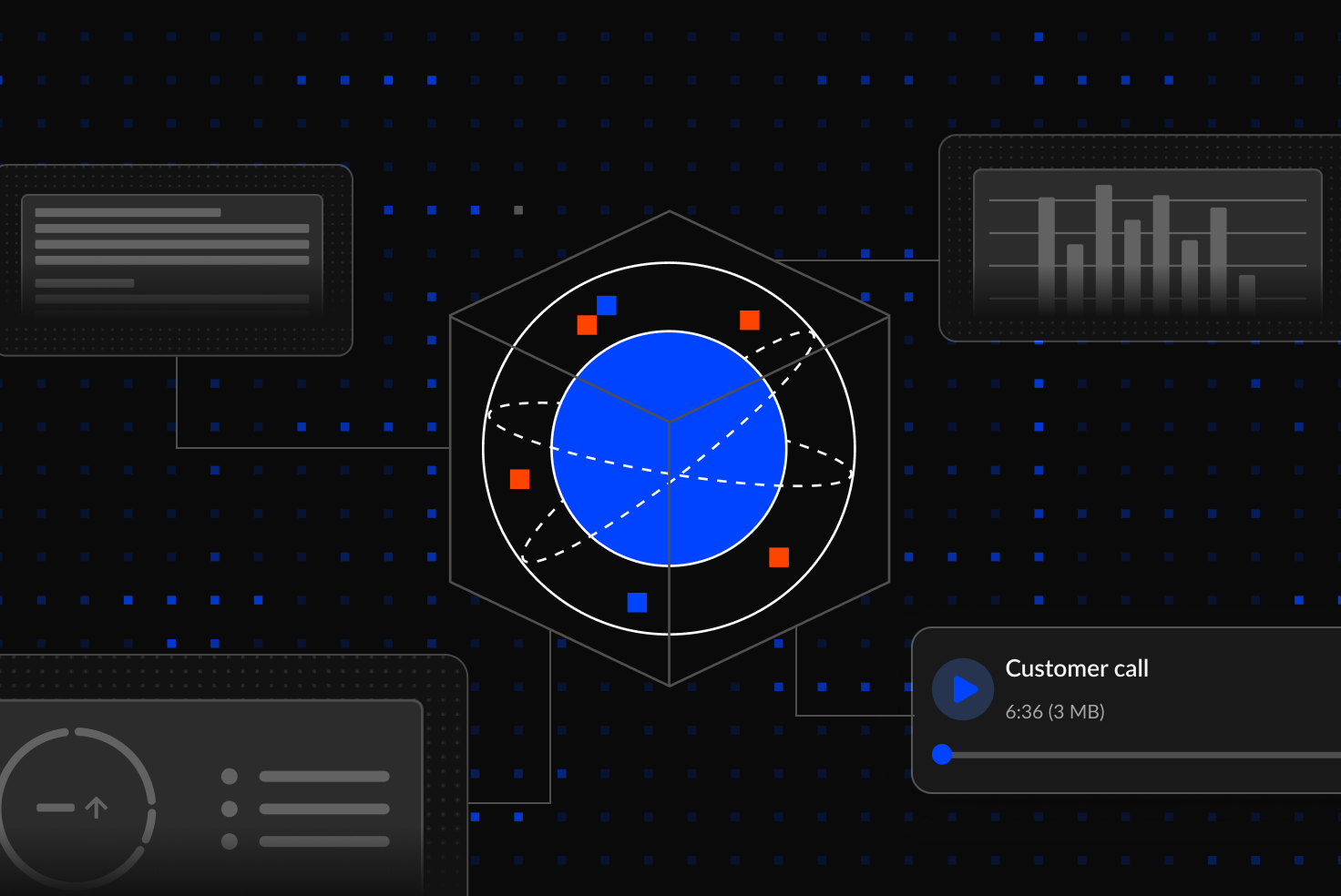
Designing unreasonable experiences—and engineering moments of brilliance across the full customer journey—requires a complete view of what customers are actually experiencing at every stage. That means bringing together signals from every touchpoint into one place where they can be synthesized, queried, and acted on.
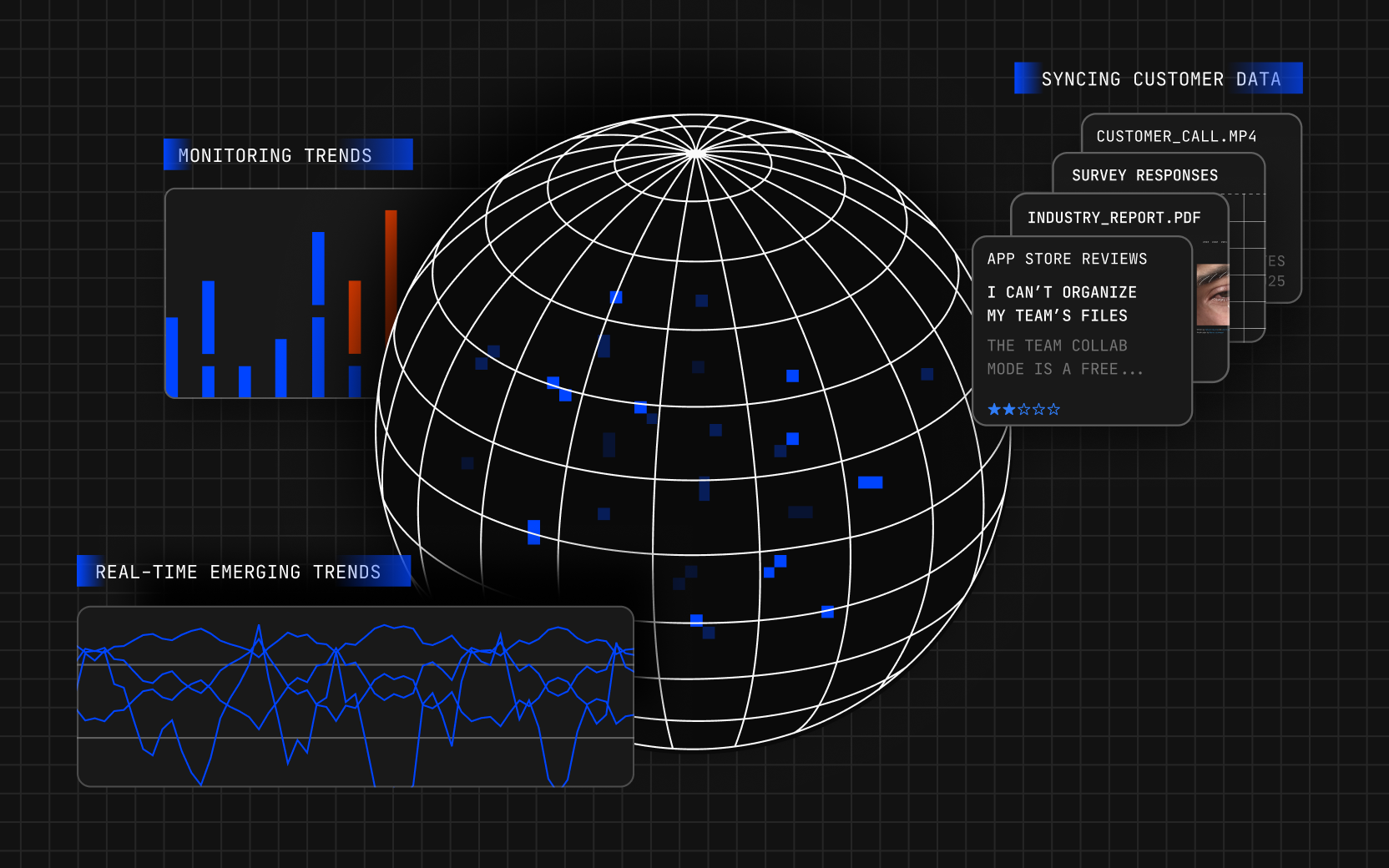
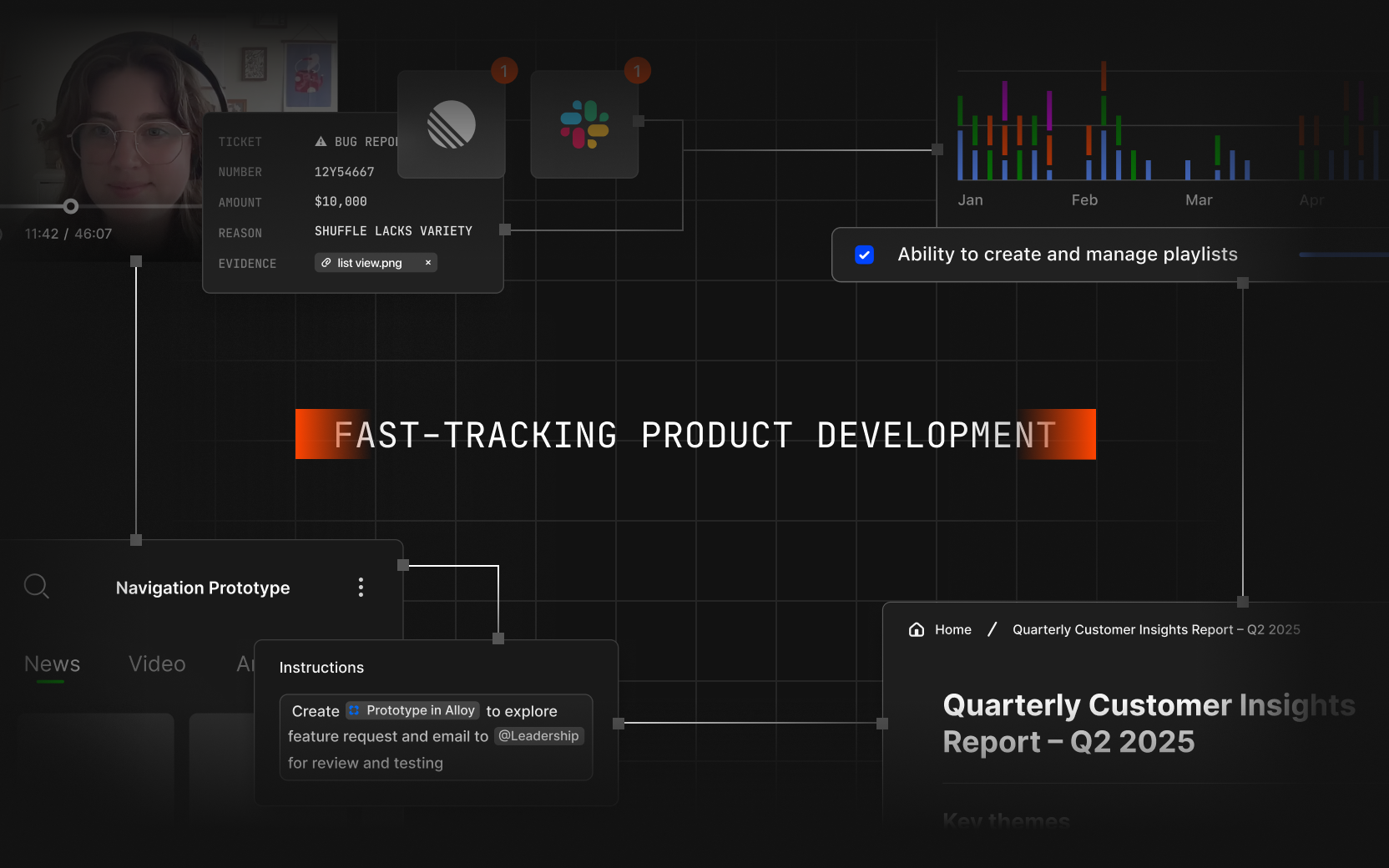
A Customer Intelligence Platform does exactly that. Sales calls, onboarding calls, support tickets, research sessions, NPS responses, product feedback—centralized, analyzed, and made available to every team that needs to understand customers to do their job well. Product teams see where the experience breaks down before churn. Sales teams see what existing customers are saying before renewal conversations. Leadership sees the full picture of customer health without waiting for a quarterly research readout.
The insight that drives an unreasonable experience rarely comes from a single source. It comes from connecting what a customer said in an interview three months ago to what they logged in a support ticket last week and what your sales team heard on the renewal call yesterday. That connection requires unified signal that fragmented tools make invisible.
What unreasonable experiences actually require
Guidara's hospitality philosophy rests on a simple premise: you can't make people feel seen if you're not paying attention. The hot dog story worked because someone was actually listening when a guest mentioned an offhand disappointment—and because the culture gave them permission to act on it immediately.
The software equivalent requires the same two things. You need the attention, which means genuine, continuous, cross-functional investment in understanding customers across their entire relationship with you. And you need the permission structure, which means customer intelligence flowing to every team that interacts with customers, not locked inside a research function that presents quarterly.
The companies building unreasonable experiences right now are the ones treating customer understanding as organizational infrastructure. They're centralizing every source of signal, making it queryable by anyone who needs it, and using it to find the moments where the experience could be something more than functional.
The best never guess where those moments are. They build the systems that make them visible.
Related Articles