Trading my desk for a classroom and why Dovetail supports it

As a product researcher at Dovetail, most days I’m in deep conversation with product professionals: designers, product managers, and researchers, all shaping global products and services. The work is genuinely stimulating and energizing, but like any well-worn path, it sometimes risks becoming a little insular.
That’s why I’m so grateful for one of Dovetail’s most forward-thinking and generous perks: the freedom to step away from my desk and spend a few hours each week teaching a user-centered design course to second-year students at the University of New South Wales. Now that the term has wrapped, I’m reflecting on why this opportunity goes far beyond personal fulfillment. It’s truly a strategic advantage for the entire company.
Why stepping out matters
It’s easy, and often necessary, to stay focused on established workflows and the challenges of today. But real progress requires us to look beyond familiar boundaries. Through teaching at UNSW, I was plugged directly into the future of user-centered design as it’s being shaped in real time by the next generation.
This classroom lens offered a high-speed download of what’s emerging:
How tomorrow’s designers think
The class embraced tools with an openness that surprised me. Canva dominated, with most students using it not just for presentations but for everything: note-taking, sketching, and even photo editing, despite campus IT favoring Microsoft products. When I asked why, the answer was simple: “It was just so easy to sign up and get started.” Canva’s foothold is growing because of this frictionless adoption, and these students are becoming its future advocates from day one.
What really drives their questions
There’s a distinctive quality to student curiosity. They don’t take “that’s just the way it’s done” as an answer. They question fundamentals, prompting me to clarify my own thinking and distill complex principles in accessible ways.
Their thoughts on AI
Honestly, there weren’t many. Unlike the intense discourse prevalent in the industry, for this cohort, AI simply exists, woven into their tools and workflows much like the internet or electricity. Several had never consciously used AI tools but were benefiting from AI-powered features in products like Canva and Miro. One student was surprised to learn images on his mood board were AI-generated: “I just found them on the internet.” For me, it was refreshing to escape both the hype and dystopia dominating professional AI conversations, even if only for four hours a week.
Skills for the future and what’s missing
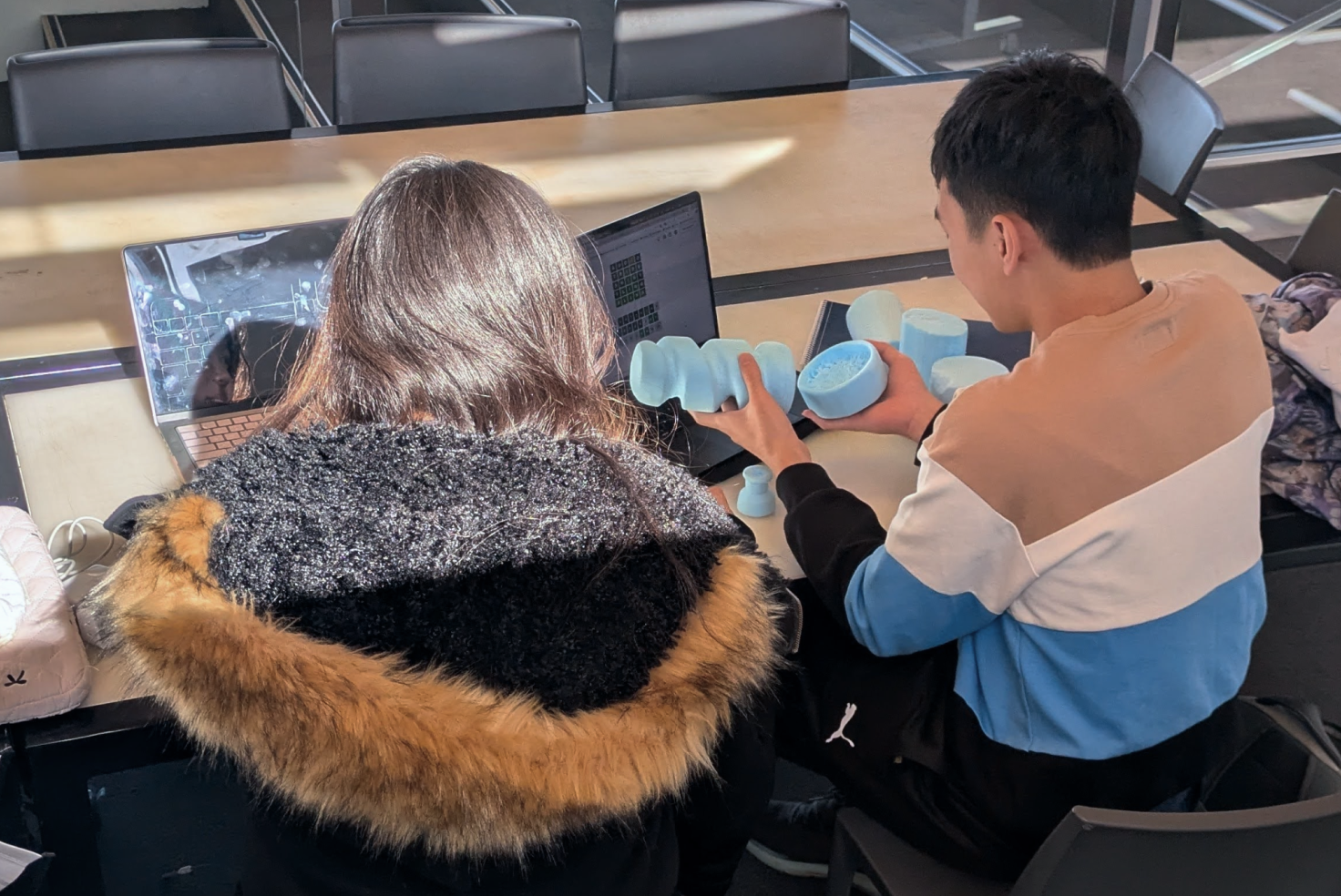
Digital fluency is off the charts. The speed at which students picked up new tools was impressive. Yet I also saw some gaps, particularly in human skills: forming connections with peers, communicating design concepts verbally and visually, and navigating collaborative critique. It’s a valuable reminder of what hiring and professional development should focus on as this generation enters the workforce.
The standards they’ll bring as users
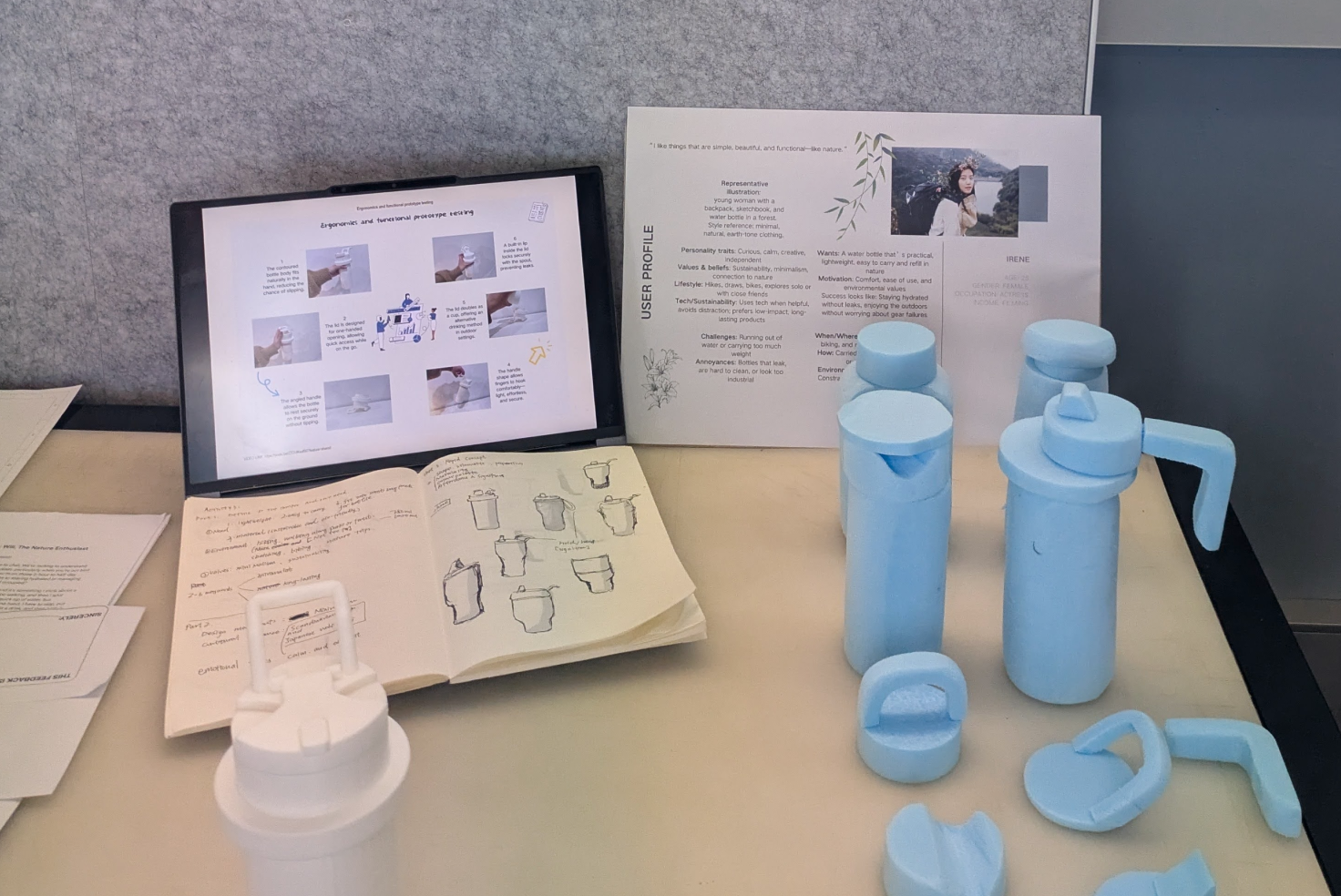
These students will soon shape the next wave of customers, and set the bar for what’s expected from tools like Dovetail. Their standards for usability and their habit of relentless questioning will raise expectations, pushing us all to deliver more thoughtful, intuitive experiences.
Fostering a culture of learning at Dovetail
By encouraging me to teach, Dovetail signals to the world and to its employees that we’re committed to continuous learning, industry engagement, and shaping the future of product. It’s “reciprocal learning” in action: I share hard-won industry lessons with students, but gain new perspectives and energy in return.
This opportunity keeps me rooted in the fundamentals of user-centered design, even as it stretches my perspective on what’s next. Supporting this kind of exchange isn’t just a feel-good perk; it’s an investment in thought leadership, talent development, and product innovation.
At Dovetail, we hire for curiosity and nurture it. That’s the kind of employer brand that stands out, not just to prospective employees and customers, but to anyone who values the growth that happens when work and learning truly intersect.
Related Articles